









Is Cerelac Healthy? What Every Nigerian Mom Should Know (2026)
Cerelac is one of the most popular baby cereals in Nigeria. Almost every mom knows it, and many babies grow up eating it. But over the years, questions have grown:
Is Cerelac healthy? Is it good for babies? Are there better alternatives?
This 2026 guide breaks everything down in a simple, honest way, to enable you make the best decision for your baby without fear or confusion.
What Is Cerelac?
Cerelac is an instant cereal made for babies. It is usually made from:
-
Processed grains
-
Added sugars (in some variants)
-
Added vitamins
-
Added minerals
-
Milk powder (depending on the type)
It is designed to be convenient, quick, and easy to digest.
Is Cerelac Healthy for Babies?
Cerelac is not harmful, but it is not the most nutrient-dense food your baby can eat.
It can be part of a baby’s diet, but it should never replace real whole foods like:
-
Sweet potatoes
-
Oats
-
Mashed vegetables
-
Fruits
-
Homemade cereals
-
Proteins
Cerelac is a processed food, so it should be used sparingly, not as your baby’s main daily meal.
Pros of Cerelac
Cerelac has some benefits, especially for busy parents:
1. Convenient
It is easy to prepare, just add warm water.
2. Fortified with Vitamins
It contains added nutrients like iron, zinc, and some B-vitamins.
3. Gentle on the Stomach
Some babies tolerate it well when their stomach is still developing.
4. Helpful for Travel or Emergencies
It is useful when outside the home or when you need a quick meal.
Concerns Nigerian Moms Should Know
These are the key things every mother should understand before relying on Cerelac:
1. It Is Highly Processed
Cerelac goes through several steps before it reaches your baby’s bowl. Processing reduces natural nutrients from whole grains.
This is why vitamins have to be added back later.
2. Some Cerelac Versions Contain Sugar
Many Cerelac varieties include added sugar, which:
-
Is not recommended for babies under 1
-
Affects taste preference
-
May encourage a sweet tooth later
-
Offers no real nutritional benefit
Always read the label for “sugar,” “sucrose,” or “sweeteners.”
3. It Does Not Replace Real Food
Even though Cerelac contains vitamins, it cannot provide the same natural nutrients found in:
-
Fresh fruits
-
Vegetables
-
Fresh grains
-
Homemade baby meals
Whole foods support better brain development, immunity, digestion, and growth.
4. Some Babies Become Too Dependent on It
Because it is sweet and smooth, some babies begin to reject solid foods like vegetables and swallow-only foods.
This may delay chewing development.
5. It Is More Expensive Than Homemade Options
For many families, Cerelac becomes a costly long-term option compared to healthy homemade cereals.
Who Should Avoid Cerelac?
Your baby may need to avoid Cerelac if they are:
-
Under 6 months (no solids recommended yet)
-
Allergic to dairy
-
Sensitive to processed foods
-
Reacting to additives
-
Struggling with sugar sensitivity
Always watch for reactions like rashes, bloating, or unusual stool changes.
Healthier Ways to Use Cerelac (If You Choose To)
If you still want to include Cerelac, here are safer habits:
1. Use Only Occasionally
Not more than 2–3 times a week.
2. Choose Sugar-Free Versions
Pick the plainest option available.
3. Mix With Whole Foods
You can blend with:
-
Mashed banana
-
Mashed sweet potato
-
Pear puree
-
Pap + fruit puree
-
Oats puree
4. Avoid Using It at Night
Whole foods promote better sleep and digestion.
5. Read Labels Carefully
Choose variants with fewer ingredients.
Best Nigerian Alternatives to Cerelac (More Nutritious)
These options support better immunity, brain growth, and digestion:
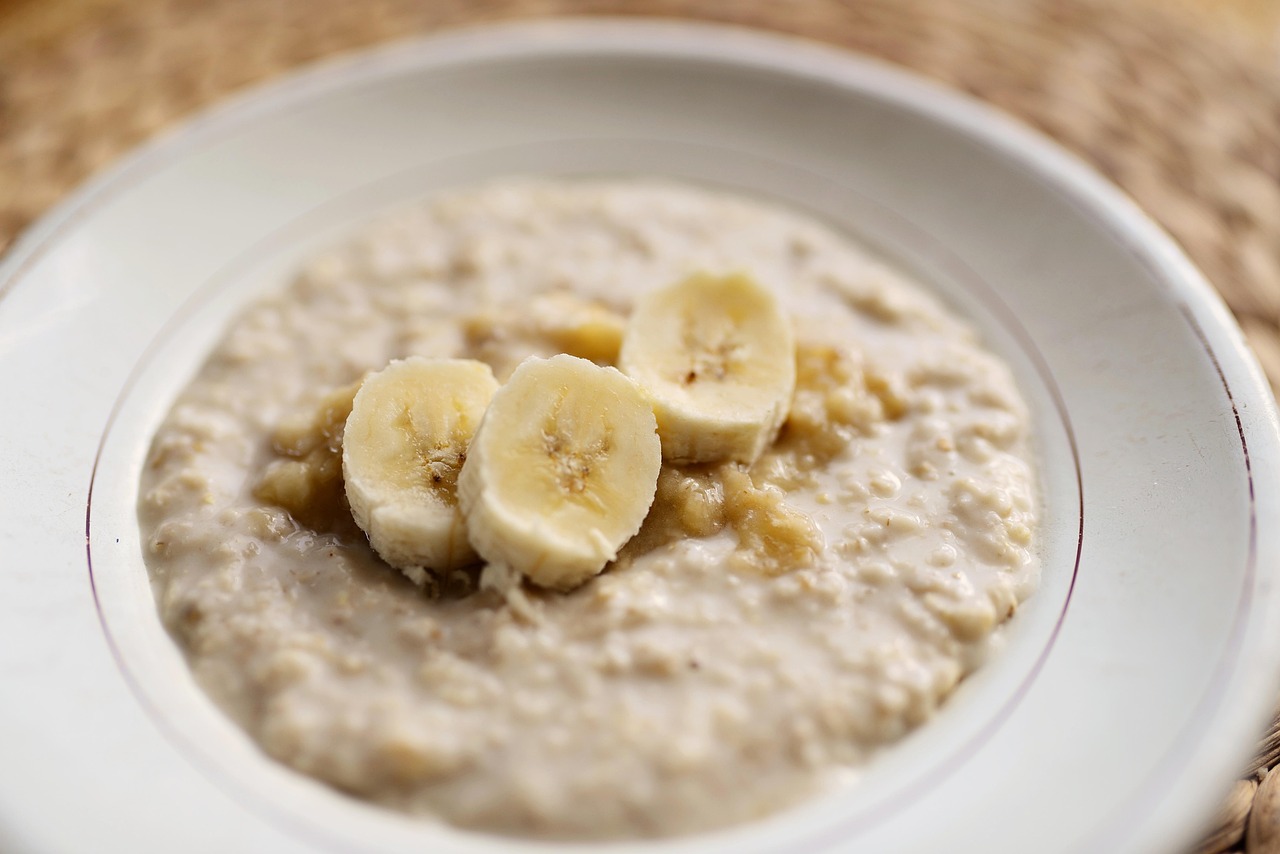
1. Homemade Oats Cereal
Grind oats into powder and cook with water or breastmilk.
2. Mashed Sweet Potato
Rich in fiber, vitamins, and energy.
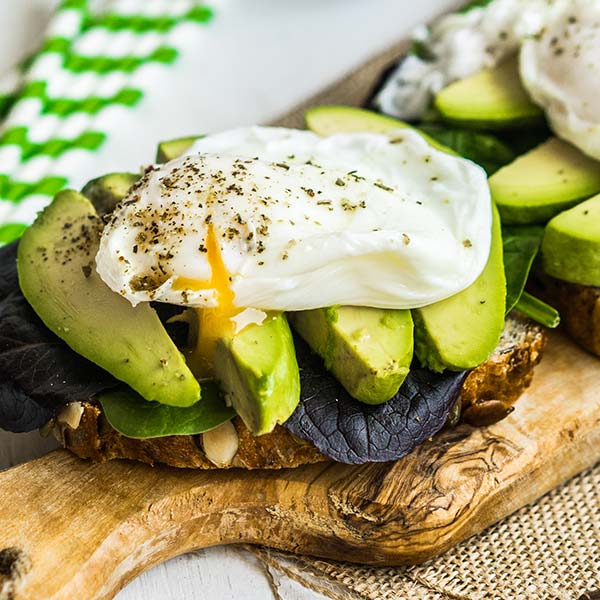
3. Mashed Avocado
Great for brain development.
4. Pap (Akamu) + Fruit Purée
Add apple, banana, or pear puree for nutrients.
5. Millet or Guinea Corn Cereal
Blend at home and cook fresh.
6. Banana + Yogurt Mix (for babies above 9 months)
Great for digestion and immunity.
7. Mixed Vegetable Purée
Carrot, pumpkin, potato, green peas.
These whole foods offer real nutrients that support healthy growth without unnecessary additives.
Final Thoughts
Cerelac is not a bad food, but it is not the healthiest option for daily use.
It is best used sometimes, not every day, and not as your baby’s main source of nutrients.
Your baby will grow stronger, healthier, and smarter with whole foods, balanced meals, and fresh ingredients.
For convenience, Cerelac helps.
For complete nutrition, whole foods win.