











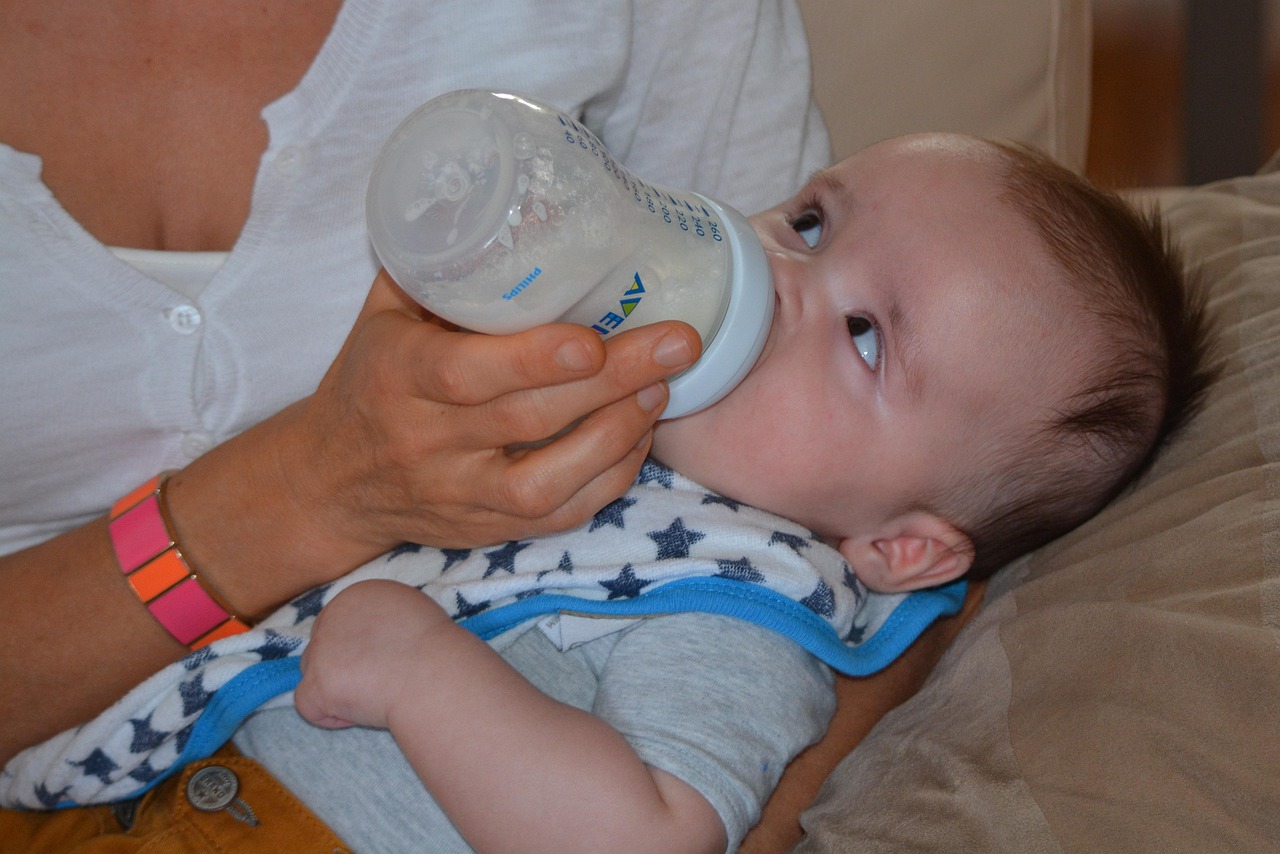
Baby Formula Guide: Choosing the Safest Options in 2026
Choosing a safe baby formula in 2026 is easier, but also more confusing than ever. With new research, stricter guidelines, and more brands on the market, many parents don’t even know where to start from.
This guide simplifies everything nutritionists, pediatricians, and child-health experts recommend for formula-fed babies.
1. What Makes a Baby Formula “Safe” ?
A safe formula must meet these seven criteria:
1. Clean, high-quality ingredients
Free from unnecessary additives, artificial sweeteners, or harsh preservatives.
2. Low heavy-metal risk
Many formulas (especially rice-based products) previously tested high for heavy metals.
Safer formulas reduce or eliminate high-risk ingredients.
3. Modeled after breast milk
The closer the nutrient profile is to breast milk, the better for digestion and brain development.
4. Transparent labeling
Brands must openly disclose sourcing, processing, and testing.
5. Good protein structure
Partially hydrolyzed or gentle formulas are safer for babies with sensitive tummies.
6. Clinically tested for safety
All formulas must meet local and international regulatory standards.
7. Age-appropriate nutrients
A newborn formula is not the same as a 6-month formula. Safety includes age suitability.
2. Ingredients Every Parent Should Look For
These ingredients improve digestion, immunity, and brain development:
✔ DHA & ARA
Supports brain and eye development.
✔ Prebiotics and/or probiotics
Helps reduce colic, gas, and constipation.
✔ Whey-dominant protein
Easier to digest than casein-heavy formulas.
✔ Lactose (as the main carbohydrate)
Most similar to breast milk unless your baby has medical lactose intolerance.
✔ Healthy plant oils (like sunflower, coconut, or palm-alternative oils)
Mimics the healthy fats in breast milk.
✔ Iron, choline & folate
Essential for blood formation and brain growth.
3. Ingredients to Avoid (Very Important!)
Research continues to show that certain ingredients may not be ideal for babies:
❌ Corn syrup or glucose syrup solids
May spike blood sugar and affect long-term metabolism.
❌ Artificial flavors or colors
No nutritional benefit and may irritate the gut.
❌ Carrageenan
Linked to tummy irritation in infants.
❌ Excessive soy
High phytoestrogen levels are not recommended for long-term use.
❌ Rice-based formulas as the main option
Higher risk of arsenic and heavy metals.
❌ Palm oil (for some babies)
May cause hard stools or gas in sensitive babies.
4. Types of Baby Formula: Pros & Cons (Latest Update)
1. Cow’s Milk Formula (Most common)
Best for: Most babies
Pros: Balanced nutrients, easy to digest
Cons: Not suitable for lactose intolerance or cow milk protein allergy
2. Goat Milk Formula
Best for: Sensitivity to cow milk (not allergy)
Pros: Softer curds, gentle on stomach
Cons: Not suitable for CMPA (cow milk protein allergy)
3. Hypoallergenic Formula
Best for: Allergies, eczema, or chronic gas
Pros: Proteins are broken down for easier digestion
Cons: Pricier, taste may be bitter
4. Plant-Based or Soy Formula
Best for: Medical lactose intolerance
Pros: Dairy-free
Cons: Not recommended unless prescribed by a pediatrician
5. How to Choose the Safest Formula Based on Your Baby’s Needs
✔ For a newborn:
Choose a formula labeled “Stage 1” with lactose as the primary carb and DHA.
✔ For gassy/colicky babies:
Try a gentle, comfort, or partially hydrolyzed formula.
✔ For babies with hard stools:
Choose formulas without palm oil, and with added prebiotics.
✔ For babies with eczema or suspected milk allergy:
A hypoallergenic or extensively hydrolyzed formula is safest.
✔ For premature or low-birth-weight babies:
Your pediatrician must guide you, never self-select.
6. How to Switch Formula Safely
Switching suddenly may cause:
-
excessive crying
-
gas
-
diarrhea
-
constipation
How to switch:
Day 1–2: 75% old formula + 25% new
Day 3–4: 50% old + 50% new
Day 5–6: 25% old + 75% new
Day 7: 100% new formula
7. Signs a Formula Isn’t Right for Your Baby
If you notice any of these, stop and consult a doctor:
-
Persistent vomiting
-
Rash or eczema flare
-
Bloody stool
-
Extreme fussiness
-
Constipation lasting over 3–4 days
-
Diarrhea
-
Baby refusing the formula consistently
8. Final Choosing Guide for Moms (Simple & Practical)
For the safest formula choice, look for:
-
Lactose as the main carbohydrate
-
DHA & ARA
-
Prebiotics or probiotics
-
No corn syrup solids
-
No artificial additives
-
Gentle or partially hydrolyzed protein
-
Transparent sourcing
-
Age-appropriate stage
This ensures safety, brain development, strong immunity, and easier digestion.
9. FAQs
1. Which formula is closest to breast milk?
Look for formulas with lactose, whey-dominant protein, DHA, ARA, and prebiotics.
2. Is goat milk formula safe?
Yes, for babies with sensitivity—not for true allergies.
3. Can I mix two formulas?
Yes, but only with proper transition steps.
4. Are expensive formulas always safer?
Not necessarily. Read ingredients, not price tags.
5. How long can formula-fed babies go between feeds?
Usually 2–4 hours depending on age and appetite.
Final Thoughts
Choosing the safest baby formula doesn’t require stress.
Focus on clean ingredients, gentle digestion, and formulas modeled after breast milk. With the right knowledge, you can nourish your baby confidently and safely.