









How to Balance Hormones Naturally After Childbirth
After giving birth, your body goes through one of the biggest hormonal shifts of your entire life. Estrogen, progesterone, cortisol, thyroid hormones, and prolactin all rise and fall at different speeds. This sudden change can affect your mood, sleep, appetite, energy levels, and even your emotions.
The good news? There are natural, safe, and effective ways to help your hormones return to balance while supporting your physical and emotional recovery.
Let’s break it down in a clear and simple way.
1. Understanding Postpartum Hormones
After childbirth, several hormones shift dramatically:
• Estrogen & Progesterone drop quickly
This can affect mood, energy, and emotional stability.
• Prolactin increases
Supports breastfeeding and may lower estrogen temporarily.
• Cortisol rises
Due to stress, lack of sleep, and physical recovery.
• Thyroid hormones may fluctuate
Some women develop temporary imbalances called postpartum thyroiditis.
• Oxytocin increases
Supports bonding and breastfeeding.
Balancing these hormones naturally supports faster healing and better emotional well-being.
2. Signs Your Hormones Are Imbalanced After Birth
Hormonal imbalance is common postpartum. You may notice:
-
Mood swings
-
Fatigue
-
Low libido
-
Brain fog
-
Hair loss
-
Irregular periods
-
Anxiety or irritability
-
Weight gain or difficulty losing weight
-
Trouble sleeping
-
Dry skin
-
Breastfeeding challenges
These symptoms often improve with the right lifestyle and nutrition support.
3. Natural Ways to Balance Hormones After Childbirth
These evidence-supported habits help restore hormonal harmony safely and naturally.
A. Eat Hormone-Balancing Foods Daily
Food is one of the strongest tools for hormonal recovery.
Top postpartum hormone-supporting foods include:
-
Healthy fats: avocado, coconut oil, olive oil
-
Omega-3 foods: salmon, sardines, eggs, walnuts
-
Leafy greens: spinach, kale, ugu
-
Protein-rich foods: eggs, chicken, beans, lentils
-
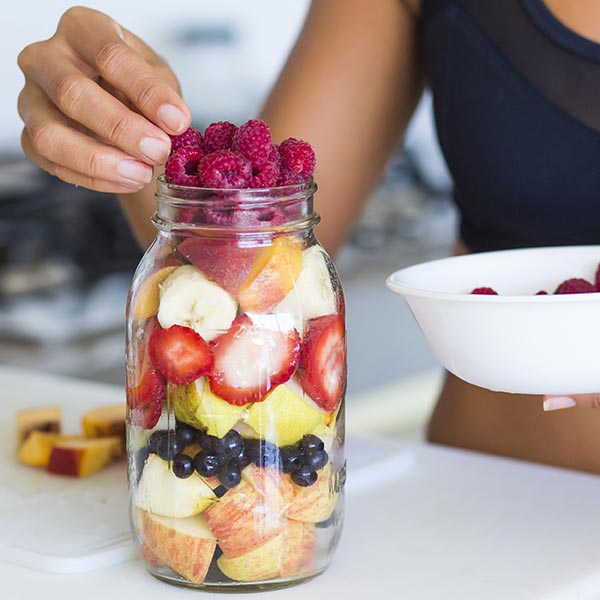
Fiber-rich foods: oats, vegetables, fruits
-
Iron foods: beef, liver (in moderation), spinach
-
Calcium & magnesium-rich foods: yogurt, chia seeds, almonds
-
Bone broth: supports healing and gut health
These foods help regulate estrogen, stabilize blood sugar, and support thyroid and adrenal function.
B. Support Your Gut Health
Your gut and hormones are strongly connected.
Strengthen your gut by adding:
-
Yogurt
-
Probiotics (if needed)
-
Fruits
-
Vegetables
-
Beans
-
Whole grains
-
Water
A healthy gut means better nutrient absorption and more balanced hormones.
C. Prioritize Sleep and Rest
Lack of sleep increases cortisol and disrupts nearly every hormone.
Tips for better postpartum sleep:
-
Sleep when baby sleeps
-
Avoid late-night phone use
-
Ask for help from family
-
Nap during the day
-
Keep your room cool and dark
Even short naps help your hormones heal.
D. Reduce Stress & Calm the Nervous System
High stress = high cortisol = hormonal imbalance.
Try these calming activities:
-
Deep breathing
-
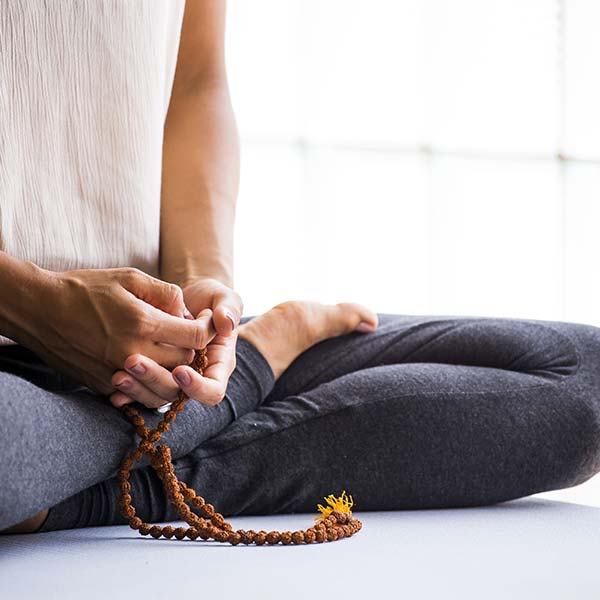
Prayer or meditation
-
Gentle stretching
-
Warm baths
-
Light music
-
Nature walks
-
Talking to trusted friends
Small moments of calm create big hormonal benefits.
E. Gentle Postpartum Exercise
Movement helps balance hormones, boost mood, and improve metabolism.
Safe postpartum exercises include:
-
Walking
-
Pelvic floor exercises
-
Light yoga
-
Stretching
-
Postpartum-safe core workouts
Avoid intense workouts until your body is fully healed.
F. Support Your Thyroid Naturally
Some women experience postpartum thyroid fluctuations.
Foods that support thyroid health include:
-
Eggs
-
Seafood
-
Yogurt
-
Brazil nuts (selenium)
-
Iodine-rich foods (iodized salt)
If symptoms are severe, speak with a doctor for a thyroid test.
G. Breastfeeding & Hormones
Breastfeeding naturally releases oxytocin, which:
-
Reduces stress
-
Supports bonding
-
Helps the uterus return to size
-
Can help regulate other hormones
However, breastfeeding may also delay the return of your normal menstrual cycle. This is normal and temporary.
4. Herbs & Natural Remedies (Safe for Postpartum)
These herbs can gently support hormone balance. Use them moderately and introduce one at a time:
✔ Fenugreek (supports milk supply)
✔ Moringa (rich in nutrients and antioxidants)
✔ Ginger (reduces inflammation)
✔ Ashwagandha (stress support, not recommended when breastfeeding unless approved)
✔ Turmeric (supports healing)
✔ Fennel (can support digestion and milk supply)
Always check with a healthcare provider before starting new herbs while breastfeeding.
5. Postpartum Hormone-Balancing Daily Routine
Here is a simple routine to help your hormones recover:
Morning
-
Warm water
-
Nutritious breakfast with protein
-
10–20 minutes sunlight
Afternoon
-
Balanced lunch with vegetables
-
Hydration
-
Light walk or stretching
-
Rest
Evening
-
Herbal tea (fenugreek or ginger)
-
Light dinner
-
Early bedtime if possible
Small daily habits lead to big hormonal improvements.
6. Frequently Asked Questions
1. How long does it take for hormones to balance after childbirth?
Most women begin to feel more balanced within 3–6 months, but it can take up to a year.
2. Can breastfeeding affect hormones?
Yes—prolactin increases while estrogen stays lower temporarily.
3. Can diet alone fix postpartum hormones?
Diet helps a lot, but sleep, stress management, and movement are equally important.
4. When should I see a doctor?
If you experience severe mood changes, extreme fatigue, or thyroid symptoms.
7. Final Thoughts
Hormonal imbalance after childbirth is normal, but it doesn’t have to control your life. With nourishing foods, good sleep, reduced stress, gentle exercise, and natural remedies, your hormones can return to balance safely and naturally.
Take it one day at a time. It took your body about 38 to 40 weeks to form a whole human being. Your body is healing, and you deserve patience, grace, and support.
Sending you plenty love and light.