






Postpartum Anxiety: Causes, Signs & How to Heal Naturally
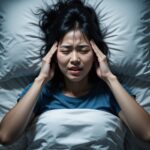
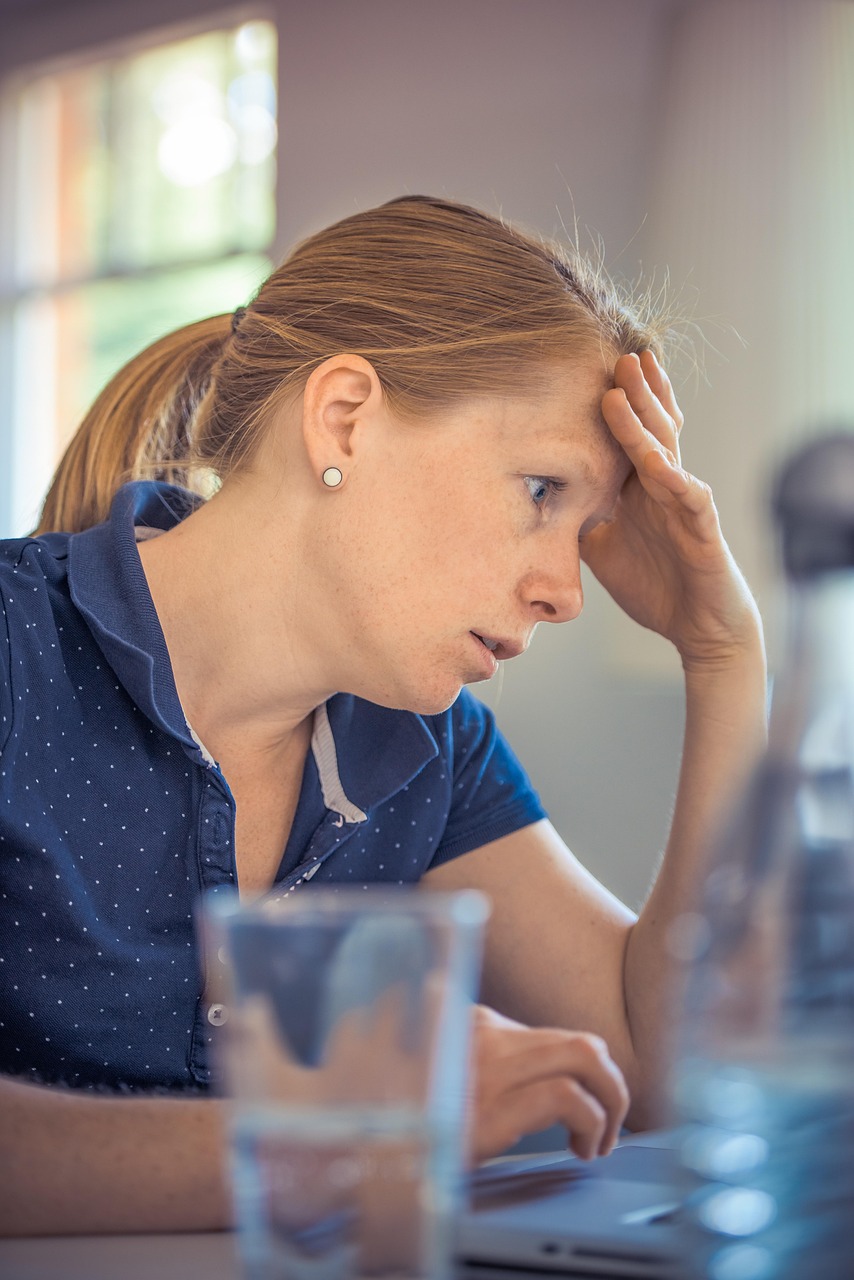
Postpartum anxiety is more common than most women realise. Many mothers silently struggle with constant worry, racing thoughts, fear something will go wrong, or an inner tension they can’t explain.
The good news? Postpartum anxiety is treatable, and with the right support and natural strategies, most women recover fully.
This guide explains the causes, symptoms, and natural healing options every new mom should know.
🔍 What Is Postpartum Anxiety? (Simple Explanation)
Postpartum anxiety is a condition where a mother experiences excessive worry, fear, or restlessness after childbirth.
It can begin:
-
Right after delivery
-
Weeks or months later
-
Or after weaning
Unlike postpartum depression, which causes sadness, postpartum anxiety feels like constant fear or “high alert mode.”
💢 Causes of Postpartum Anxiety (Backed by Research & Clinical Patterns)
1. Hormonal Shifts After Childbirth
After delivery, estrogen and progesterone drop sharply.
This sudden change affects:
-
Mood
-
Stress response
-
Sleep patterns
These shifts alone can trigger anxiety in otherwise healthy women.
2. New Mom Stress & Responsibility
Caring for a newborn brings:
-
Sleep deprivation
-
Breastfeeding challenges
-
Fear of doing things “wrong”
-
Pressure to keep the baby safe
These can overwhelm the nervous system.
3. Nutrient Deficiencies
Several nutrients commonly drop after pregnancy and breastfeeding, especially:
-
Iron
-
Magnesium
-
Omega-3 fatty acids
-
Vitamin D
Low levels can cause anxiety, irritability, and brain fog.
4. Birth Trauma or Stressful Delivery
Emergency C-section, long labor, or complications can trigger postpartum stress responses.
5. Family or Relationship Stress
Lack of support, conflict, or feeling isolated increases anxiety risks.
6. Personality Factors
Mothers who naturally:
-
Overthink
-
Are perfectionists
-
Fear failure
-
Like control
may experience postpartum anxiety more intensely.
⚠️ Signs & Symptoms of Postpartum Anxiety
You may have postpartum anxiety if you experience the following regularly:
Physical Symptoms
-
Rapid heartbeat
-
Tightness in chest
-
Restlessness or inability to relax
-
Shortness of breath
-
Trouble sleeping (even when baby sleeps)
-
Loss of appetite
-
Hot flashes or trembling
Emotional Symptoms
-
Feeling overwhelmed
-
Constant fear something bad will happen
-
Irritability
-
Racing thoughts
-
Difficulty concentrating
-
Worrying excessively about the baby
Behavioural Symptoms
-
Checking on baby too often
-
Avoiding people or going out
-
Feeling unable to leave the baby with anyone
-
Over-Googling every small symptom
If these interfere with your daily life, you are not alone — and help is available.
🌿 How to Heal Postpartum Anxiety Naturally (Holistic Approach)
These natural techniques support your hormones, nervous system, and mental health.
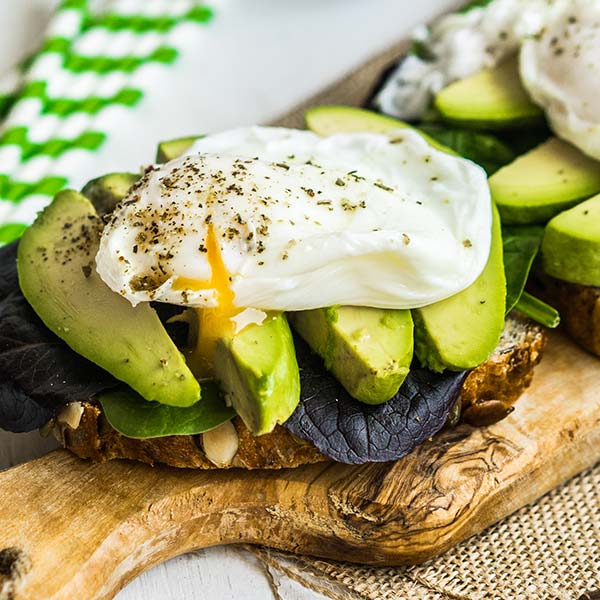
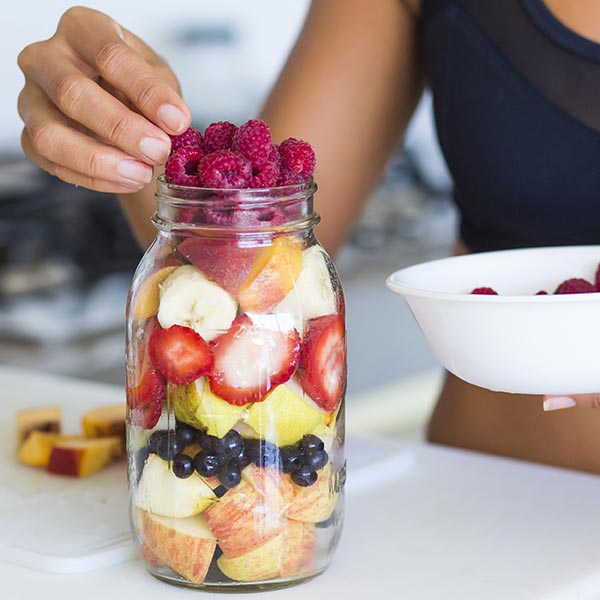
1. Nourish Your Body With Postpartum Superfoods
A nutrient-deficient body struggles to regulate stress.
Eat more:
-
Fatty fish (sardines, salmon) – rich in omega-3
-
Eggs – great for mood hormones
-
Spinach, beans, and liver – restore iron
-
Bananas, oats, seeds – boost magnesium
-
Avocado, nuts – stabilise blood sugar
Balanced nutrition can reduce anxiety within weeks.
2. Sleep in Cycles (Not All at Once)
Aim for 4–6 mini rest cycles per day, not one long sleep.
Even 20–30 min naps help reset an anxious brain.
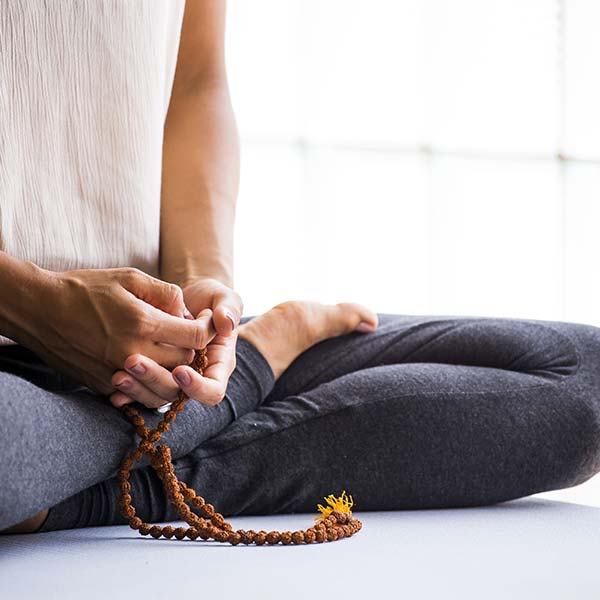
3. Deep Breathing & Grounding Techniques
Just 5 minutes a day calms the nervous system.
Try:
-
Slow deep breaths
-
Box breathing
-
“4-7-8” relaxation method
These reduce cortisol (stress hormone).
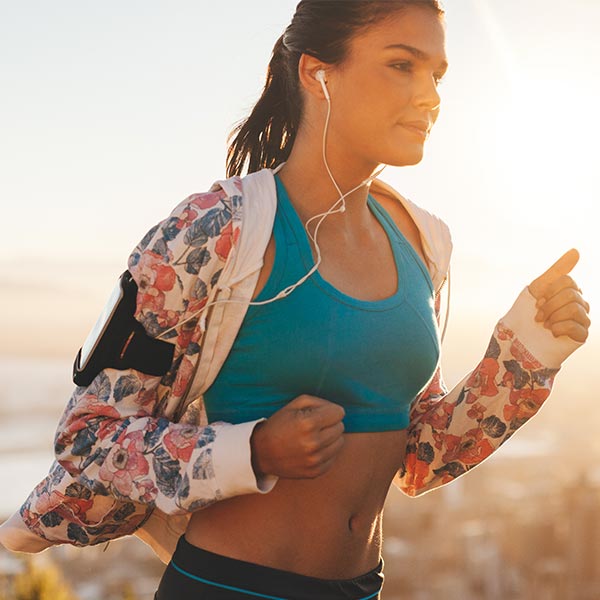
4. Light Exercise
Walking for 15–20 minutes daily:
-
Releases tension
-
Improves sleep
-
Boosts happy hormones
Movement is medicine.
5. Reduce Caffeine
Caffeine overstimulates the nervous system and triggers anxiety.
Reduce:
-
Coffee
-
Energy drinks
-
Excess tea
Replace with warm lemon water or herbal teas.
6. Create a Simple Daily Routine
Structure reduces overwhelm.
Include:
-
Set wake-up time
-
Eating at regular intervals
-
Short walks
-
Boundaries around screen time
7. Stay Connected
Talk to:
-
Partner
-
Trusted friend
-
Support group
-
Other moms
Connection reduces anxiety by lowering stress hormones.
8. Gentle Postpartum Supplements
Commonly recommended:
-
Magnesium glycynate
-
Omega-3 supplements
-
Vitamin D
-
Postnatal multivitamins
Always consult a healthcare provider first.
9. Talk to a Professional
If symptoms persist, see:
-
A therapist
-
A mental health counselor
-
A postpartum specialist
Early support leads to faster recovery.
💛 When Should You Seek Immediate Help?
Seek urgent medical support if you experience:
-
Panic attacks
-
Thoughts of harming yourself or your baby
-
Complete inability to sleep
-
Feeling detached from your baby or reality
-
Severe or worsening symptoms
You deserve care. You deserve peace. You deserve healing.
✨ Final Thoughts
Postpartum anxiety is real, common, and treatable.
With the right support, nutrition, and healing strategies, you can feel like yourself again. A stronger, calmer, and more confident you will emerge again.
You are not alone.
Your healing is possible.
And you deserve to thrive in motherhood.