











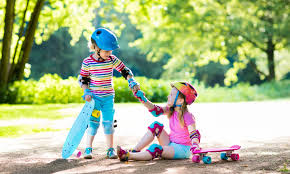
Raising Kind Children: Practical Ways to Teach Compassion at Home
INTRODUCTION: WHY KINDNESS IS A SKILL THAT MUST BE TAUGHT
In today’s fast-paced, competitive, and often self-centered world, kindness is no longer something children automatically “pick up.” It must be intentionally taught, modeled, and practiced at home.
Kindness is not weakness.
Kindness is not passivity.
Kindness is not something children are “born with” alone.
Kindness is a learned behaviour.
Studies in child psychology show that children who grow up in compassionate homes are more likely to:
-
Build healthy relationships
-
Show emotional intelligence
-
Handle conflicts peacefully
-
Resist peer pressure
-
Develop empathy
-
Grow into responsible adults
-
Thrive academically and socially
Raising kind children is one of the greatest gifts you can give the world — and it starts with small, consistent actions at home.
This guide will walk you through practical, realistic, everyday ways to raise kind children, regardless of your child’s age, personality, or background.
SECTION 1: WHAT DOES IT REALLY MEAN TO RAISE A KIND CHILD?
A kind child is not simply a “quiet” or “obedient” child.
True kindness includes:
-
Empathy — understanding how others feel
-
Compassion — caring about others’ pain
-
Respect — valuing people regardless of differences
-
Self-control — choosing gentleness over aggression
-
Responsibility — owning actions and apologising
-
Generosity — sharing time, attention, and resources
Kindness is emotional intelligence in action.
SECTION 2: WHY CHILDREN STRUGGLE WITH KINDNESS TODAY
Before teaching kindness, it helps to understand what children are up against.
1. Excessive screen exposure
Fast-paced digital content reduces empathy and emotional awareness.
2. Overstimulation
Busy schedules leave little room for reflection and emotional learning.
3. Modeling from adults
Children absorb how adults speak, react, and treat others.
4. Pressure to compete
Constant comparison can reduce compassion.
5. Emotional neglect (unintentional)
Children who feel unseen struggle to see others.
This is why kindness must be taught intentionally — not assumed.
SECTION 3: 12 PRACTICAL WAYS TO RAISE KIND CHILDREN AT HOME
1. Model Kindness Daily (Children Learn by Watching)
Children copy behaviour more than they follow instructions.
They observe how you:
-
Speak to your spouse
-
Respond when angry
-
Treat domestic workers
-
Speak about neighbours
-
Handle stress
-
React to mistakes
If kindness is visible in your daily life, it becomes natural to them.
Tip:
Speak respectfully even when correcting.
Say “please,” “thank you,” and “I’m sorry” often.
2. Teach Emotional Awareness Early
Children cannot show kindness if they don’t understand emotions.
Teach them to:
-
Name their feelings
-
Recognize others’ emotions
-
Express feelings safely
Use phrases like:
-
“You look sad. What happened?”
-
“How do you think your friend felt?”
-
“It’s okay to feel angry, but it’s not okay to hurt.”
Emotional awareness builds empathy.
3. Encourage Empathy Through Conversation
Empathy grows when children are guided to think beyond themselves.
Ask questions like:
-
“How would you feel if that happened to you?”
-
“What do you think your friend needed in that moment?”
-
“How can we help?”
These questions train the brain to consider others naturally.
4. Teach Kindness Through Daily Responsibilities
Chores and responsibilities teach children to care beyond themselves.
Examples:
-
Helping set the table
-
Tidying shared spaces
-
Caring for younger siblings
-
Watering plants
-
Helping elderly family members
Responsibility builds compassion and cooperation.
5. Praise Kind Behaviour — Not Just Achievement
Many children are praised only for:
-
intelligence
-
grades
-
sports
-
talents
But kindness must be noticed and celebrated.
Say things like:
-
“That was kind of you.”
-
“I noticed how you shared.”
-
“You showed patience today.”
-
“I’m proud of how gentle you were.”
What you praise, you grow.
6. Correct Unkindness Calmly and Firmly
When children behave unkindly, avoid shaming.
Instead:
-
Address the behavior, not the child
-
Explain consequences
-
Teach alternatives
Example:
“Hurting words are not allowed. Let’s talk about how to express anger kindly.”
Correction with compassion teaches self-control.
7. Teach Apologies and Forgiveness
Kind children are not perfect — they are accountable.
Teach children to:
-
Apologize sincerely
-
Take responsibility
-
Forgive others
-
Repair relationships
Model phrases like:
-
“I’m sorry I hurt you.”
-
“I forgive you.”
-
“How can I make it right?”
This builds emotional maturity.
8. Limit Violent and Aggressive Media
What children watch affects how they treat others.
Reduce exposure to:
-
violent cartoons
-
aggressive games
-
disrespectful language
Replace with:
-
educational shows
-
kindness-themed stories
-
faith-based content
-
calm, age-appropriate programs
Media shapes behavior.
9. Teach Sharing — Without Forcing It
Sharing should be encouraged, not forced.
Teach:
-
turn-taking
-
generosity
-
consent
Explain:
“You don’t have to share everything immediately, but we learn to consider others.”
This builds genuine kindness, not resentment.
10. Create Opportunities to Practice Kindness
Kindness grows with practice.
Simple ideas:
-
Helping neighbors
-
Donating toys
-
Writing thank-you notes
-
Visiting elderly relatives
-
Saying kind words daily
-
Family kindness challenges
Make kindness visible and active.
11. Use Stories, Books, and Faith to Teach Compassion
Stories help children understand complex emotions.
Read books or Bible stories that highlight:
-
compassion
-
forgiveness
-
generosity
-
humility
-
love
Ask reflective questions after stories:
“What lesson did you learn?”
“What would you do differently?”
Stories make kindness memorable.
12. Create a Home Culture of Respect
Kindness thrives in peaceful homes.
Establish rules like:
-
No shouting
-
No insults
-
No hitting
-
No mocking
-
Speak respectfully
Children raised in respectful environments naturally become respectful individuals.
SECTION 4: HOW KINDNESS BENEFITS CHILDREN LONG-TERM
Research shows kind children are more likely to:
-
Build strong friendships
-
Succeed in leadership roles
-
Manage emotions better
-
Experience less anxiety
-
Develop strong self-esteem
-
Maintain healthy relationships
-
Become compassionate adults
Kindness is a life skill.
SECTION 5: AGE-BY-AGE KINDNESS TEACHING GUIDE
Toddlers (1–3 years):
-
Model gentle touch
-
Name emotions
-
Praise sharing
-
Use simple language
Preschoolers (3–5 years):
-
Role-play kindness
-
Teach apologies
-
Read kindness stories
-
Encourage helping
School-Age Children (6–12 years):
-
Discuss empathy
-
Encourage service
-
Teach conflict resolution
-
Promote fairness
Teenagers:
-
Discuss values
-
Encourage volunteering
-
Model respectful communication
-
Teach accountability
SECTION 6: COMMON MISTAKES PARENTS MAKE (AND HOW TO AVOID THEM)
❌ Forcing sharing
❌ Shaming mistakes
❌ Ignoring emotions
❌ Modeling impatience
❌ Praising only success
❌ Overlooking small acts of kindness
Replace pressure with guidance.
CONCLUSION: KIND CHILDREN ARE RAISED, NOT ACCIDENTAL
Kindness does not happen by chance.
It grows where love, patience, modeling, and intentional teaching exist.
Every gentle correction.
Every calm conversation.
Every act of compassion you model.
They all shape the kind of adult your child will become.
When you raise kind children, you are raising:
-
future leaders
-
healthy partners
-
compassionate parents
-
responsible citizens
And the world desperately needs more of them.