











Morning Routines That Calm the Nervous System Naturally
WHY YOUR MORNING SETS THE TONE FOR YOUR ENTIRE DAY
How you start your morning matters more than most people realize.
Before the day even begins, your nervous system decides:
-
whether you feel calm or anxious
-
focused or overwhelmed
-
grounded or reactive
Many people wake up already stressed:
-
rushing out of bed
-
checking phones immediately
-
skipping rest and nourishment
-
reacting instead of grounding
The result?
👉 A disregulated nervous system before the day even starts.
The good news is this:
You do not need a perfect or long routine.
You need intentional habits that calm your nervous system gently and consistently.
This guide will show you how to create a morning routine that naturally calms your nervous system, supports mental clarity, and helps you move through the day with peace and balance.
WHAT IS THE NERVOUS SYSTEM AND WHY DOES IT MATTER?
Your nervous system controls:
-
stress response
-
heart rate
-
digestion
-
sleep
-
emotional regulation
-
focus and energy
It has two main modes:
-
Fight or flight (stress mode)
-
Rest and digest (calm mode)
A calm morning helps your body stay in rest and digest mode, which supports healing and balance throughout the day.
SIGNS YOUR NERVOUS SYSTEM IS OVERSTIMULATED
Many people don’t realize their nervous system is overwhelmed.
Common signs include:
-
waking up tired
-
racing thoughts
-
anxiety in the morning
-
irritability
-
tight muscles
-
digestive discomfort
-
feeling rushed even with time
Morning routines can either increase this stress or heal it.
WHY MORNING ROUTINES WORK FOR NERVOUS SYSTEM REGULATION
Morning routines:
-
reduce cortisol spikes
-
create predictability
-
provide emotional safety
-
improve focus and mood
-
support hormonal balance
Consistency matters more than duration.
Even 10–20 minutes can make a powerful difference.
PRINCIPLES OF A NERVOUS-SYSTEM-FRIENDLY MORNING
Before we dive into habits, remember these principles:
-
Slow is better than rushed
-
Gentle is better than intense
-
Consistent is better than perfect
-
Calm is better than productive
Your morning is not for proving your worth.
It is for grounding your body and mind.
15 MORNING HABITS THAT CALM THE NERVOUS SYSTEM
1. Wake Up Gently (No Sudden Shock)
Avoid loud, aggressive alarms.
If possible:
-
use softer alarm sounds
-
wake gradually
-
give yourself a few quiet moments
Gentle waking reduces cortisol spikes.
2. Avoid Checking Your Phone Immediately
Phones activate stress instantly.
Checking messages or social media:
-
overwhelms the brain
-
triggers comparison
-
increases anxiety
Delay phone use for at least 20–30 minutes.
3. Practice Deep Breathing Upon Waking
Before getting out of bed:
-
inhale slowly through the nose
-
exhale slowly through the mouth
-
repeat for 3–5 minutes
This signals safety to the nervous system.
4. Start With Gratitude
Gratitude calms the mind and shifts focus.
Simple practice:
-
name 3 things you’re grateful for
This creates emotional grounding.
5. Drink Water Before Anything Else
Hydration supports brain and nervous system function.
Drink a glass of water to:
-
wake the body gently
-
support digestion
-
reduce fatigue
6. Get Natural Light Early
Sunlight regulates circadian rhythm.
Try to:
-
open curtains
-
step outside briefly
Morning light improves mood and sleep.
7. Gentle Movement Instead of Intense Exercise
Intense workouts early can stress the nervous system.
Choose:
-
stretching
-
light yoga
-
walking
Gentle movement releases tension safely.
8. Create a Calm Morning Atmosphere
Avoid noise overload.
Instead:
-
soft music
-
silence
-
worship music
-
nature sounds
Sound influences nervous system regulation.
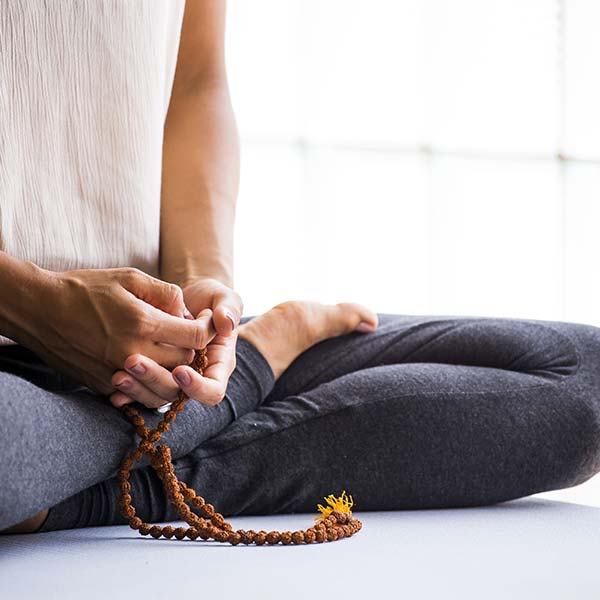
9. Pray, Meditate, or Sit in Stillness
Stillness calms mental chatter.
Choose what aligns with you:
-
prayer
-
meditation
-
quiet reflection
Even 5 minutes restores balance.
10. Eat a Nourishing Breakfast
Skipping breakfast can stress the body.
Choose balanced foods:
-
protein
-
healthy fats
-
whole foods
Stable blood sugar supports calm energy.
11. Avoid Rushing
Rushing signals danger to the nervous system.
Wake earlier if possible.
Build buffer time.
Slow down intentionally.
12. Speak Kindly to Yourself
Morning self-talk matters.
Replace:
-
“I’m already behind”
With:
-
“I’m taking today one step at a time.”
Gentle thoughts calm the mind.
13. Create a Simple Morning Ritual
Rituals bring safety and predictability.
Examples:
-
tea time
-
journaling
-
stretching
-
prayer corner
Consistency matters.
14. Limit Morning News Consumption
News can trigger anxiety.
Protect your peace early.
Choose calm before information.
15. Set an Intention for the Day
Intentions guide your energy.
Simple intention:
-
“Today, I choose calm.”
-
“Today, I move with patience.”
Intentions ground your focus.
MORNING ROUTINES BY LIFE SEASON
Busy Parents
-
shorter routines
-
early wake-up if possible
-
quiet moments before kids wake
Working Adults
-
avoid email first thing
-
prioritise grounding
Caregivers
-
gentle self-compassion
-
emotional grounding
COMMON MORNING MISTAKES THAT INCREASE STRESS
❌ Rushing out of bed
❌ Skipping hydration
❌ Starting with screens
❌ Ignoring emotional needs
Small changes make a big impact.
HOW LONG DOES IT TAKE TO FEEL RESULTS?
Many people feel calmer within:
-
a few days
-
one week of consistency
Nervous system healing is gradual but powerful.
WHEN MORNING ROUTINES ARE NOT ENOUGH
If anxiety or stress feels overwhelming:
-
seek support
-
consider professional guidance
Morning routines support healing. They are not a replacement for care when needed.
CALM MORNINGS CREATE CALM LIVES
You don’t need complicated routines.
You don’t need perfection.
You need:
-
intention
-
gentleness
-
consistency
A calm morning tells your body:
“I am safe.”
“I am grounded.”
“I can handle today.”
That is wholesome living.