










logo

Welcome to Wellspring

Lorem ipsum dolor sit amet, consectetur adipiscing elit, sed do eiusmod tempor incididunt ut labore et dolore magna aliqua.
Working Hours
Monday - Friday 09:00AM - 17:00PM
Saturday - Sunday CLOSED
From Our Gallery

Mon - Fri 9.00 - 17.00 Sunday CLOSED

1-677-124-44227

826 Home Street, Bronx, New York

Top

Health

My Wholesome Living / Health (Page 2)

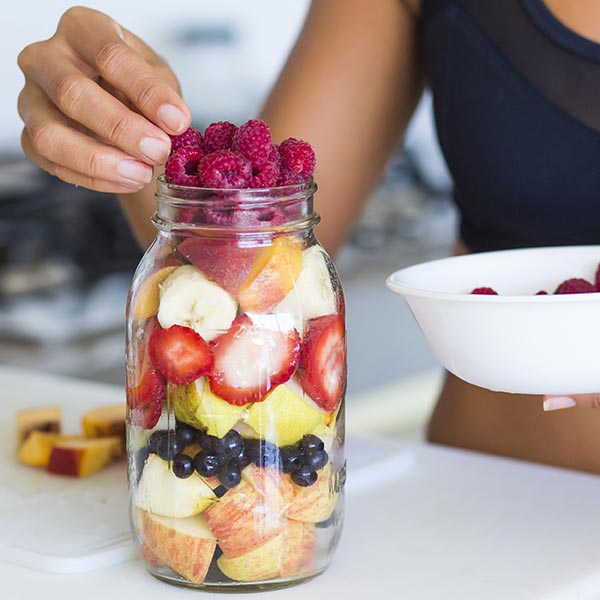
12 Minimalist Home Habits That Reduce Stress and Boost Happiness

A Wholesome Living Home & Lifestyle Guide Do you ever feel overwhelmed by your home, even when you’re not doing anything?Science shows that clutter increases cortisol, drains energy, triggers anxiety, and reduces productivity. The good news? A more peaceful, joyful home doesn’t require expensive décor or a full renovation. You simply need the right habits. In this guide, you’ll learn the 12 minimalist home habits that create a calmer environment, reduce stress, and boost everyday happiness—research-backed and easy for anyone anywhere in the world to apply. 12 Minimalist Home Habits That Reduce Stress & Boost Happiness 1. Start Your Day With a 5-Minute Reset A quick reset—making your bed, opening the windows, and tidying surfaces—signals your brain to start the day with clarity. Why it works:Studies show that a clean morning environment...

Share

The Ultimate Morning Routine for a Wholesome Life

Your morning routine can determine your energy, mood, productivity, and overall health for the rest of the day. Yet most people wake up rushing, tired, stressed, or overwhelmed, and that stress follows them everywhere. A wholesome life begins with a wholesome morning.This simple guide shows you how to build a morning routine that supports your health, mind, family life, and spiritual growth. You don’t need expensive tools.You don’t need to wake up at 4 a.m.You only need simple habits done consistently and it is very easy to start. 🔍 Why Morning Routines Matter Science shows that your morning activities influence: Hormone balance Stress levels Mood Immune system Productivity Motivation Digestion Sleep quality at night A wholesome morning = a wholesome day. 🌞 The Ultimate Wholesome Living Morning Routine (Step-by-Step) This routine is...

Share

Postpartum Fatigue: Why You’re Always Tired & How to Regain Your Energy Naturally

Feeling tired after childbirth is normal, but many new mothers experience extreme, long-lasting exhaustion that affects their mood, energy, mental clarity, and ability to enjoy motherhood. This is known as postpartum fatigue, and it affects millions of women (even those who appear “fine” on the outside). The good news? Postpartum fatigue is treatable, and there are natural ways to regain your strength and energy. 🔍 What Is Postpartum Fatigue? Postpartum fatigue is deep, persistent exhaustion that continues long after childbirth.It is more than “being tired.”It feels like: Heavy body Low energy Brain fog Emotional overwhelm Sluggishness This level of fatigue can last weeks or months if not addressed. 💢 Causes of Postpartum Fatigue 1. Hormonal Shifts Right after childbirth: Progesterone drops Estrogen drops Thyroid hormones may fluctuate These changes affect your energy production and...

Share

Postpartum Anxiety: Causes, Signs & How to Heal Naturally

Postpartum anxiety is more common than most women realise. Many mothers silently struggle with constant worry, racing thoughts, fear something will go wrong, or an inner tension they can’t explain. The good news? Postpartum anxiety is treatable, and with the right support and natural strategies, most women recover fully. This guide explains the causes, symptoms, and natural healing options every new mom should know. 🔍 What Is Postpartum Anxiety? (Simple Explanation) Postpartum anxiety is a condition where a mother experiences excessive worry, fear, or restlessness after childbirth. It can begin: Right after delivery Weeks or months later Or after weaning Unlike postpartum depression, which causes sadness, postpartum anxiety feels like constant fear or “high alert mode.” 💢 Causes of Postpartum Anxiety (Backed by Research & Clinical Patterns) 1. Hormonal Shifts After Childbirth After delivery,...

Share

Postpartum Depression: Causes, Signs & How to Heal Naturally

Postpartum depression (PPD) is one of the most misunderstood conditions new mothers face. While many women expect joy after childbirth, some experience deep sadness, disconnection, emotional heaviness, or a loss of interest in things they once enjoyed. If you're reading this, you are not alone, and you are not “weak.”Postpartum depression is common, treatable, and nothing to be ashamed of. This guide explains the causes, symptoms, and natural healing options that support recovery. 🔍 What Is Postpartum Depression? Postpartum depression is a mood disorder that occurs after childbirth and affects how a mother feels, thinks, and connects emotionally. It goes beyond the “baby blues,” which usually last 5–14 days.PPD can persist for weeks, months, or longer without support. It can happen: After vaginal birth or C-section After breastfeeding begins or stops ...

Share

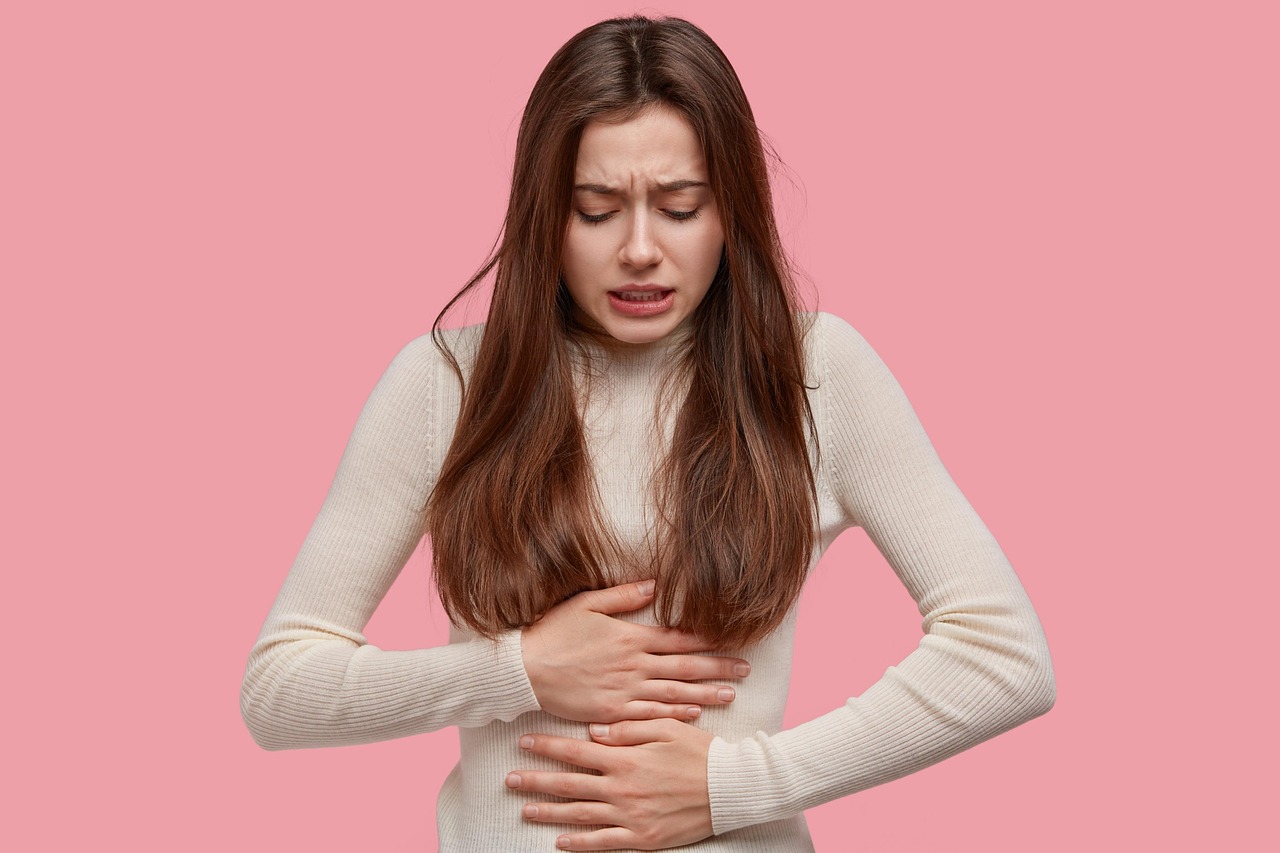
Menstrual Nutrition: What to Eat and What to Avoid

Your period does not have to feel like a battle every month. What you eat during your menstrual cycle plays a huge role in your energy, mood, cramps, bloating, and overall hormonal balance. This guide breaks down the best foods to include, the foods to avoid, and practical meal ideas to help you feel your best at every cycle. 🔍 What Happens to Your Body During Menstruation? During your period: Hormones like estrogen and progesterone drop Your body loses iron Inflammation rises Cravings increase Blood sugar may fluctuate Energy may drop The right nutrition helps you restore nutrients, reduce inflammation, balance hormones, and stabilize energy. ✔️ What to Eat During Your Period 1. Iron-Rich Foods You lose iron during menstruation. Low iron causes fatigue, dizziness, and brain fog. Eat more: Spinach Beans Eggs ...

Share

How to Balance Hormones Naturally After Childbirth

After giving birth, your body goes through one of the biggest hormonal shifts of your entire life. Estrogen, progesterone, cortisol, thyroid hormones, and prolactin all rise and fall at different speeds. This sudden change can affect your mood, sleep, appetite, energy levels, and even your emotions. The good news? There are natural, safe, and effective ways to help your hormones return to balance while supporting your physical and emotional recovery. Let’s break it down in a clear and simple way. 1. Understanding Postpartum Hormones After childbirth, several hormones shift dramatically: • Estrogen & Progesterone drop quickly This can affect mood, energy, and emotional stability. • Prolactin increases Supports breastfeeding and may lower estrogen temporarily. • Cortisol rises Due to stress, lack of sleep, and physical recovery. • Thyroid hormones may fluctuate Some women develop temporary imbalances called...

Share

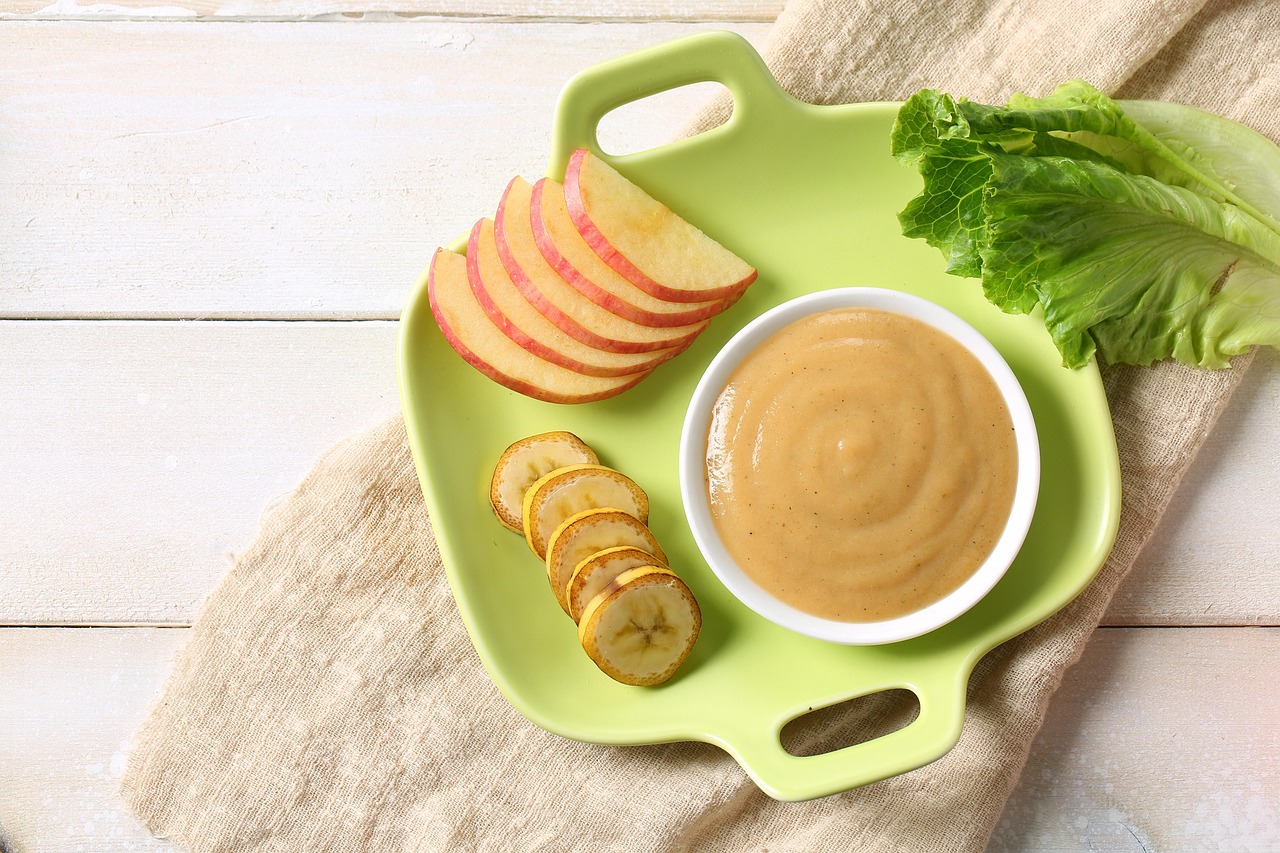
Healthy Nigerian Meals for Babies 6–12 Months and Recipes

Introducing Nigerian foods to babies is one of the best ways to build strong, healthy eating habits early. Between 6–12 months, babies need meals that are soft, nutrient-dense, iron-rich, and gentle on the stomach. This guide includes nutritionist-approved Nigerian meals, age-appropriate textures, and detailed recipes you can start using today. 1. When Can Babies Start Eating Solid Nigerian Foods? Babies can start solids at 6 months, according to paediatric guidelines. Your baby is ready if they: Sit with little support Show interest in food Open their mouth for a spoon Have good head and neck control Before 6 months, babies should take only breast milk or formula. 2. Nutrients Babies Need Between 6–12 Months For healthy growth and brain development, focus on: ✔ Iron Prevents anaemia and supports brain developmentSources: beans, egg yolk, chicken,...

Share

7 Common Deficiencies in Children (And What to Do About Them)

Many parents assume their children are eating well, yet millions of kids are silently battling nutrient deficiencies. These deficiencies affect growth, immunity, school performance, mood, and overall development. The good news? Most deficiencies are easy to prevent with the right foods and habits. Here are the 7 most common deficiencies in children—and what parents can do to fix them. Why Nutrient Deficiencies Are Common in Children Children grow fast and need more nutrients than adults. Deficiencies happen because of: Picky eating Poor food choices Low intake of fruits and vegetables Highly processed diets Lack of sunlight Rapid growth phases Digestive issues Understanding these deficiencies early helps parents support better growth, immunity, and brain development. 1. Iron Deficiency Common in: Toddlers, school-age kids, picky eatersSymptoms: Tiredness, pale skin, low appetite, slow learning Iron...

Share

What You Should Know About Getting Your Tubes Tied (Tubal Ligation)

Considering Having Your Tubes Tied? If you’re considering permanent birth control, tubal ligation, commonly known as "getting your tubes tied," might be an option worth exploring. Sometimes, people mistake tubal ligation for hysterectomy but, they are very different. Unlike hysterectomy, which involves the removal of the uterus and ovaries, prompting a sudden transition into menopause, the procedure of tubal ligation is a popular choice for those who have decided that they no longer wish to have children because it doesn't prevent ovulation and menstruation. After a tubal ligation, ovulation and menstruation continues until nature takes it course and menopause naturally occurs. Here’s a comprehensive guide to help you understand what tubal ligation involves, how it works, and what to expect. What is Tubal Ligation? Tubal ligation is...

Share