











logo

Welcome to Wellspring

Lorem ipsum dolor sit amet, consectetur adipiscing elit, sed do eiusmod tempor incididunt ut labore et dolore magna aliqua.
Working Hours
Monday - Friday 09:00AM - 17:00PM
Saturday - Sunday CLOSED
From Our Gallery

Mon - Fri 9.00 - 17.00 Sunday CLOSED

1-677-124-44227

826 Home Street, Bronx, New York

Top

Parenting

My Wholesome Living / Parenting

Positive Discipline: How to Correct Children Without Shouting or Hitting

INTRODUCTION: WHY POSITIVE DISCIPLINE MATTERS Many parents love their children deeply but still struggle with discipline. You may have found yourself saying: “I don’t want to shout, but I don’t know what else to do.” “I was disciplined this way, so this is what I know.” “My child doesn’t listen unless I raise my voice.” The truth is this: 👉 Discipline does not require shouting, fear, or physical punishment to be effective. In fact, research and lived experience show that: harsh discipline creates fear, not understanding shouting damages trust and communication physical punishment affects emotional development children learn better through connection than control Positive discipline is not permissive parenting.It is firm, calm, respectful, and effective. This guide will show you how to: discipline without yelling or hitting correct behaviour while preserving connection ...


Share

How to Raise Emotionally Intelligent Children (Without Yelling or Punishment)

WHY EMOTIONAL INTELLIGENCE MATTERS MORE THAN IQ For decades, parents were told that raising “smart” children meant focusing on: good grades academic excellence intelligence tests But research and real-life experience now tell us something deeper: 👉 Emotional intelligence (EQ) predicts life success more than IQ. Children with high emotional intelligence are more likely to: manage stress and anxiety build healthy relationships communicate effectively handle conflict peacefully show empathy and leadership succeed academically and socially grow into emotionally stable adults And the good news? Emotional intelligence is not inherited — it is taught. You don’t need to yell.You don’t need harsh punishment.You don’t need fear-based discipline. You need intentional guidance, emotional safety, and daily practice. This guide will show you how to raise emotionally intelligent children naturally, calmly, and effectively, starting at home.  WHAT IS EMOTIONAL...

Share

Raising Kind Children: Practical Ways to Teach Compassion at Home

INTRODUCTION: WHY KINDNESS IS A SKILL THAT MUST BE TAUGHT In today’s fast-paced, competitive, and often self-centered world, kindness is no longer something children automatically “pick up.” It must be intentionally taught, modeled, and practiced at home. Kindness is not weakness.Kindness is not passivity.Kindness is not something children are “born with” alone. Kindness is a learned behaviour. Studies in child psychology show that children who grow up in compassionate homes are more likely to: Build healthy relationships Show emotional intelligence Handle conflicts peacefully Resist peer pressure Develop empathy Grow into responsible adults Thrive academically and socially Raising kind children is one of the greatest gifts you can give the world — and it starts with small, consistent actions at home. This guide will walk you through practical, realistic, everyday ways to...

Share

12 Things Emotionally Healthy Moms Do Every Day

Every mother wants to show up for her family with patience, joy, and emotional strength. But the truth is — modern motherhood can be overwhelming. Between caring for children, managing the home, work responsibilities, hormonal changes, sleepless nights, financial pressure, and societal expectations, even the strongest moms can feel stretched thin. But here’s the good news: Emotionally healthy moms aren’t born — they are built, one daily habit at a time. Psychologists say that emotional health is not about being perfect or calm 24/7.It is about: managing emotions instead of suppressing them, staying grounded even on tough days, nurturing yourself as you nurture others, and creating daily rhythms that support your mental well-being. In this post, you will learn 12 simple but powerful daily habits emotionally healthy moms practice...

Share

How to Build a God-Centered Family in a Busy World

Why Building a God-Centered Family Matters More Than Ever Modern families are busy. Parents are juggling work, children, marriage, personal goals, and endless responsibilities. Children are dealing with school pressure, screen time, and a world full of distractions. In the middle of all this noise, one thing is easy to lose: God at the center of the home. But a God-centered family is not just a “religious” family.It is a home filled with: Peace Purpose Loving communication Strong values Emotional stability Direction Spiritual growth When God’s presence becomes the foundation of your home, everything else—your marriage, your parenting, your finances, and your daily routines, begins to align. This guide will show you step-by-step how to build and maintain a God-centered family even when life is hectic, using practical strategies that work...

Share

10 Bible Lessons Every Child Should Learn Early

Raising children with strong values helps them become confident, kind, and grounded adults. Teaching them simple but powerful Bible lessons early gives them a foundation they will carry for life. Here are 10 important Bible lessons every child should learn—explained in a gentle, child-friendly way. 1. God Loves You Unconditionally Children should know from the start that God’s love is not based on behaviour — it is constant.Key verse: John 3:16Teach them: “God loves me always, no matter what.” 2. Prayer Is Talking to God Anywhere, Anytime Kids should know prayer isn’t complicated.It’s simply talking to God about their feelings, fears, and joys. 3. Kindness Is a Gift We Give Others Key verse: Ephesians 4:32Help them understand that kindness matters even when no one is watching. 4. Obedience Brings Blessings Children thrive on...

Share

How to Create a Healthy Home Environment for Your Family

Creating a healthy home isn’t about perfection — it’s about building a space where your family can thrive physically, mentally, and emotionally. A wholesome home atmosphere helps your children feel safe, supported, and motivated to grow into their best selves. Here are simple, powerful ways to build a healthy home environment: 1. Keep Your Home Clean and Fresh A clean home reduces allergies, sickness, and stress. Open windows daily for fresh air Sweep and mop regularly Use natural cleaners where possible Small routines add up. 2. Prioritise Good Nutrition Healthy eating begins at home. Keep fruits and healthy snacks within reach Cook more whole meals Limit sugary drinksMake mealtimes calm and meaningful. 3. Create a Calm and Organised Space Clutter increases stress, especially for children. Declutter one small area at a time Use...

Share

10 Daily Habits That Make Your Child Smarter

Every parent wants a smart, confident, capable child. But intelligence isn’t only something children are born with, it’s something that can be shaped daily through the right habits, activities, and environment. Research in child development shows that small daily routines have a big impact on a child’s: Brain development Emotional intelligence Focus and problem-solving skills Communication Creativity Confidence In this guide, we’ll explore 10 simple but powerful daily habits that can help boost your child’s intelligence naturally. These habits are easy to implement at home and work for children of all ages. HABIT 1: Read Together Every Day Reading is the number-one daily habit that makes children smarter. Why it works: Boosts vocabulary Strengthens attention span Improves imagination Builds emotional intelligence Enhances academic performance How to apply it: Read 10–20 minutes...

Share

Screen Time for Children: What Every Parent Should Know

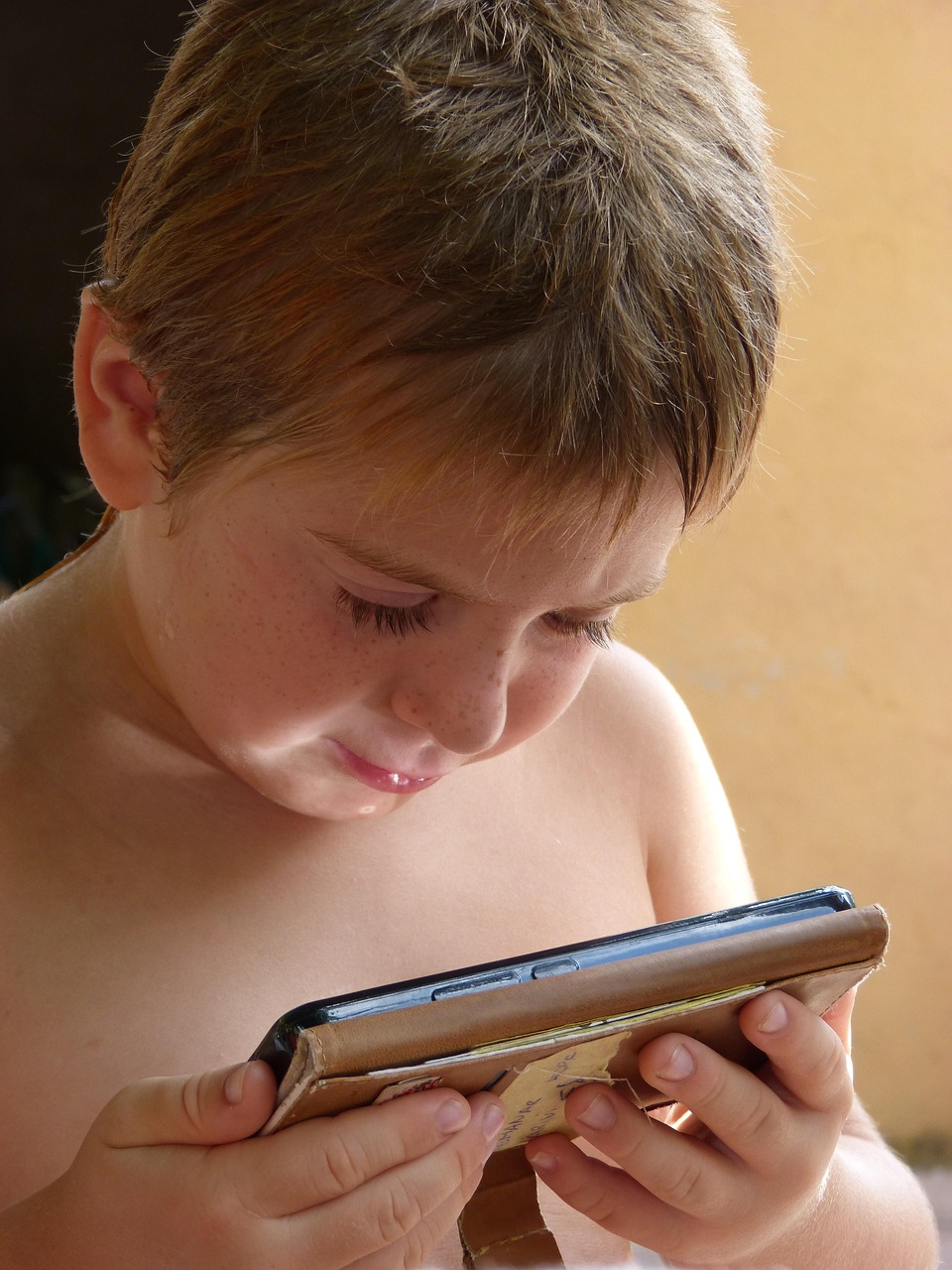
In today’s digital world, screens are everywhere—phones, tablets, TVs, laptops, smartwatches, and even toys.While technology can support learning, too much screen time can affect a child’s brain, behaviour, sleep, concentration, and emotional development. This guide explains exactly what parents should know about screen time, how much is healthy, and how to create a balanced digital routine that protects your child’s mind and wellbeing. 1. What Exactly Is “Screen Time”? Screen time includes ANY time your child spends in front of: Smartphones Tablets Televisions Computers Game consoles Smartwatches Digital toys There are two categories: ✔ Passive screen time: Watching TV, YouTube, cartoons, movies, TikTok. ✔ Active/educational screen time: Learning apps, online classes, educational games, reading apps. Not all screen time is harmful—the danger lies in the amount, timing, and content. 2. How Screens Affect Children Research shows...

Share

How to Raise Emotionally Strong Children

Children today are growing up in a fast, confusing, emotionally demanding world. Screens, school pressure, social changes, and overstimulation can overwhelm even the most confident child.This is why raising emotionally strong children is no longer optional—it’s essential. Emotional strength doesn’t mean being “tough.”It means a child who can: Understand their feelings Communicate them Handle challenges Build healthy relationships Bounce back from setbacks Make wise decisions Stay rooted in self-confidence This guide breaks down exactly how to raise emotionally strong, stable, resilient children—based on the latest psychology insights and parenting practices that work across cultures, including Africa.  What Does “Emotionally Strong” Really Mean? Many parents confuse emotional strength with:❌ not crying❌ not complaining❌ being quiet❌ acting older than their age These are NOT indicators of emotional strength. Emotional strength is the ability...

Share