



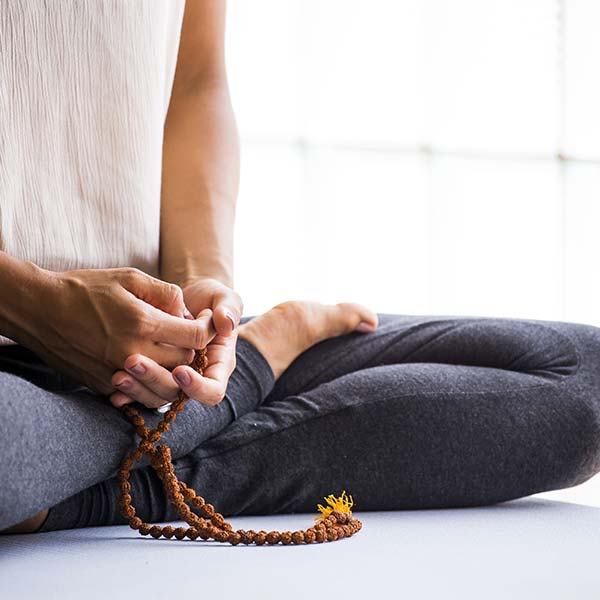








How to Reduce Stress Naturally Without Medication
WHY STRESS HAS BECOME A SILENT EPIDEMIC
Stress is no longer occasional.
For many people, it is daily, constant, and overwhelming.
Stress shows up as:
-
constant fatigue
-
headaches
-
irritability
-
poor sleep
-
anxiety
-
digestive problems
-
emotional burnout
Many people turn immediately to medication.
But for a large number of cases:
👉 Stress can be reduced naturally, safely and effectively by supporting the body and mind.
This guide will show you how to reduce stress naturally without medication, using simple, science-supported, and lifestyle-based strategies that fit real life.
WHAT IS STRESS AND HOW DOES IT AFFECT THE BODY?
Stress is the body’s response to pressure or perceived danger.
When stressed, the body releases:
-
cortisol
-
adrenaline
Short-term stress can be helpful.
Chronic stress damages health.
Long-term stress affects:
-
immune system
-
hormones
-
digestion
-
sleep
-
mental health
-
heart health
Reducing stress is not optional, it is essential.
SIGNS YOUR BODY IS OVERSTRESSED
Stress does not always feel like panic.
Common signs include:
-
feeling constantly tired
-
difficulty concentrating
-
frequent illness
-
mood swings
-
muscle tension
-
emotional numbness
-
poor sleep
Listening to your body early prevents burnout.
WHY NATURAL STRESS MANAGEMENT WORKS
Natural stress reduction focuses on:
-
regulating the nervous system
-
supporting hormones
-
improving sleep
-
restoring balance
It addresses root causes, not just symptoms.
15 NATURAL WAYS TO REDUCE STRESS
1. Regulate Your Breathing Daily
Deep breathing calms the nervous system.
Simple practice:
-
inhale slowly through the nose
-
exhale slowly through the mouth
-
repeat for 3–5 minutes
Breathing tells the body it is safe.
2. Prioritise Quality Sleep
Sleep deprivation increases stress hormones.
Improve sleep by:
-
consistent bedtime
-
reducing screens at night
-
creating a calm sleep environment
Rest is not laziness — it is healing.
3. Reduce Caffeine Intake
Excess caffeine increases anxiety and cortisol.
Try:
-
reducing coffee gradually
-
replacing with herbal teas
-
drinking more water
Gentle energy supports calm focus.
4. Nourish Your Body with Whole Foods
Poor nutrition worsens stress.
Focus on:
-
whole foods
-
fruits and vegetables
-
healthy fats
-
adequate protein
Balanced nutrition stabilises mood and energy.
5. Move Your Body Gently
Exercise reduces stress hormones.
Choose:
-
walking
-
stretching
-
yoga
-
dancing
Movement should feel supportive, not exhausting.
6. Spend Time Outdoors
Nature lowers cortisol levels naturally.
Benefits include:
-
mental clarity
-
improved mood
-
nervous system regulation
Even short outdoor time helps.
7. Practice Mindfulness or Prayer
Stillness calms the mind.
Options include:
-
quiet reflection
-
prayer
-
meditation
-
gratitude practice
Silence restores balance.
8. Limit Digital Overload
Constant notifications increase stress.
Create boundaries:
-
screen-free times
-
reduced social media
-
tech-free mornings or evenings
Mental rest is essential.
9. Simplify Your Schedule
Overcommitment fuels stress.
Learn to:
-
say no
-
prioritise essentials
-
rest without guilt
A slower pace improves health.
10. Release Emotional Stress
Unexpressed emotions create tension.
Healthy outlets:
-
journaling
-
talking to someone trusted
-
creative expression
Emotional release prevents burnout.
11. Stay Hydrated
Dehydration increases fatigue and stress.
Drink water consistently throughout the day.
12. Create Daily Calm Rituals
Small rituals bring grounding.
Examples:
-
morning quiet time
-
evening reflection
-
tea breaks
Consistency brings peace.
13. Declutter Your Environment
Clutter increases mental stress.
A calmer space creates a calmer mind.
14. Build Supportive Relationships
Isolation increases stress.
Connection heals:
-
meaningful conversations
-
supportive friendships
-
family connection
You were not meant to cope alone.
15. Practice Gratitude Daily
Gratitude shifts focus from pressure to provision.
Simple practice:
-
list 3 things you’re grateful for daily
Gratitude lowers stress hormones.
STRESS REDUCTION BY LIFE SEASON
Parents
-
prioritise rest
-
ask for help
-
lower unrealistic expectations
Working Adults
-
create work boundaries
-
schedule breaks
Caregivers
-
protect emotional energy
-
practice self-compassion
COMMON MYTHS ABOUT STRESS
❌ “Stress is normal, ignore it”
❌ “Only medication helps”
❌ “Rest is weakness”
Truth:
👉 Chronic stress is harmful and manageable naturally.
WHEN TO SEEK PROFESSIONAL HELP
Natural methods are powerful, but support matters.
Seek help if stress causes:
-
panic attacks
-
severe anxiety
-
depression
-
inability to function
Healing includes support.
CALM IS A DAILY PRACTICE
Reducing stress naturally is not instant.
It is built through:
-
daily habits
-
gentle choices
-
self-awareness
-
consistency
Your body wants balance.
Your mind wants rest.
Your life deserves calm.
That is wholesome living.