






Postpartum Depression: Causes, Signs & How to Heal Naturally
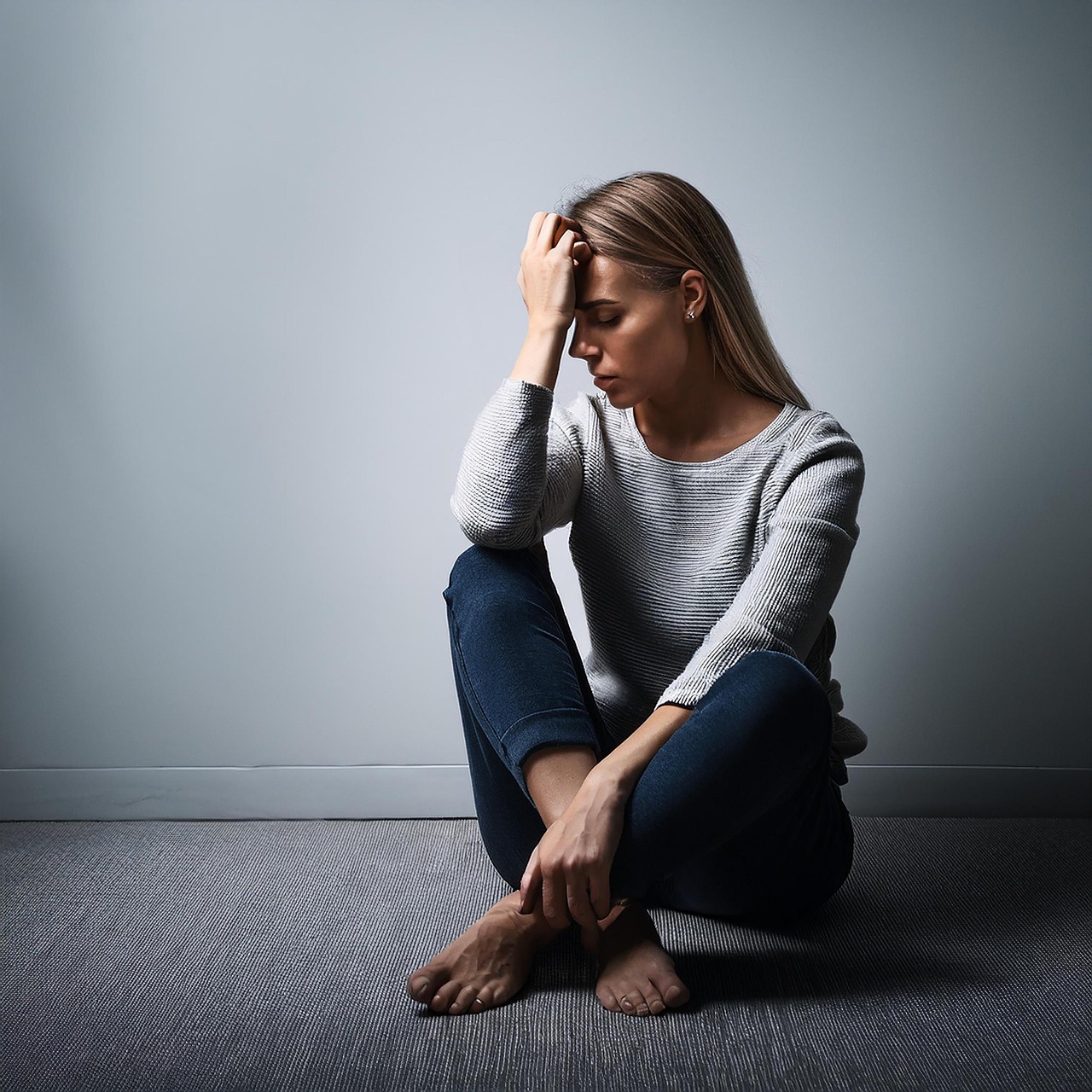
Postpartum depression (PPD) is one of the most misunderstood conditions new mothers face. While many women expect joy after childbirth, some experience deep sadness, disconnection, emotional heaviness, or a loss of interest in things they once enjoyed.
If you’re reading this, you are not alone, and you are not “weak.”
Postpartum depression is common, treatable, and nothing to be ashamed of.
This guide explains the causes, symptoms, and natural healing options that support recovery.
🔍 What Is Postpartum Depression?
Postpartum depression is a mood disorder that occurs after childbirth and affects how a mother feels, thinks, and connects emotionally.
It goes beyond the “baby blues,” which usually last 5–14 days.
PPD can persist for weeks, months, or longer without support.
It can happen:
-
After vaginal birth or C-section
-
After breastfeeding begins or stops
-
Weeks or even months postpartum
Postpartum depression has physical, emotional, and hormonal roots. It is not personal failure.
💢 Causes of Postpartum Depression
1. Drastic Hormonal Changes
After childbirth:
-
Estrogen drops
-
Progesterone drops
-
Thyroid hormones may shift
These changes can affect mood, energy, and emotional balance.
2. Sleep Deprivation
Newborns need frequent feeding, leading to:
-
Broken sleep
-
Fatigue
-
Emotional exhaustion
-
Increased stress hormones
Sleep disruption is one of the strongest triggers for PPD.
3. Nutrient Depletion After Pregnancy
Pregnancy and breastfeeding can drain:
-
Iron
-
Vitamin D
-
Omega-3 fatty acids
-
B-vitamins
-
Magnesium
Deficiencies can lead to low mood, irritability, and depression symptoms.
4. Stressful Pregnancy or Birth Experience
PPD may follow:
-
Difficult delivery
-
Emergency C-section
-
NICU stay
-
Labour trauma
The nervous system sometimes stays in “survival mode.”
5. Lack of Emotional or Practical Support
Many women feel isolated when caring for a newborn.
Lack of help with:
-
Household tasks
-
Baby care
-
Breastfeeding
-
Emotional support
can lead to burnout and depression.
6. History of Anxiety or Depression
Women with previous mental health struggles may be more vulnerable — but recovery is still very possible.
⚠️ Signs & Symptoms of Postpartum Depression
You may be experiencing PPD if you notice some of the following:
Emotional Symptoms
-
Persistent sadness
-
Feeling hopeless or empty
-
Crying often
-
Irritability or anger
-
Overwhelm
-
Feeling disconnected from your baby
-
Guilt or shame
Mental Symptoms
-
Brain fog
-
Difficulty focusing
-
Negative or intrusive thoughts
-
Feeling like you’re not a “good mother”
Physical Symptoms
-
Extreme fatigue
-
Loss of appetite or overeating
-
Sleep problems (even when baby sleeps)
-
Body tension or headaches
Behavioural Symptoms
-
Withdrawing from family
-
Lack of interest in activities
-
Difficulty bonding with the baby
-
Avoiding people or responsibilities
If these symptoms last more than two weeks, PPD may be present.
🌿 How to Heal Postpartum Depression Naturally (Holistic Support Guide)
Natural healing doesn’t replace medical care, but it can complement it and support holistic recovery.
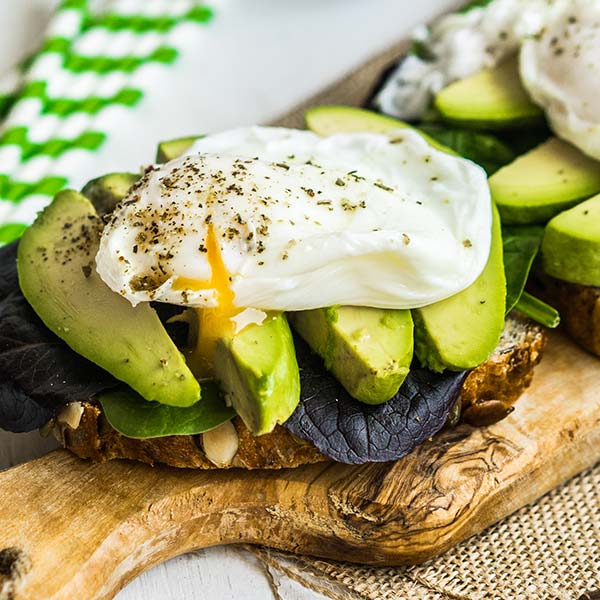
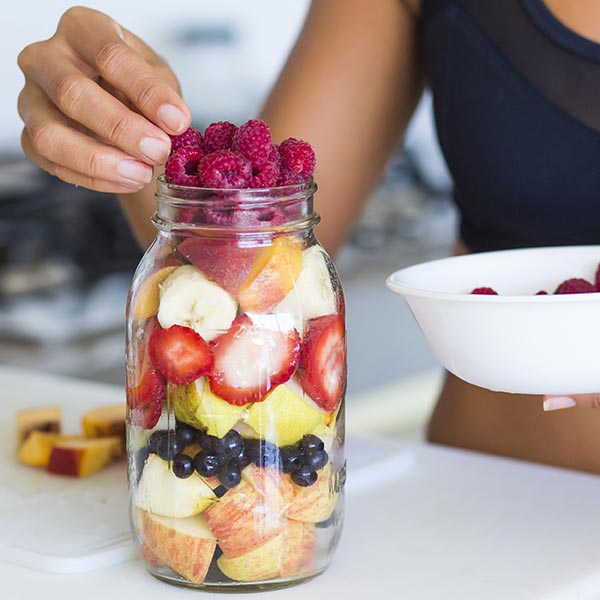
1. Restore Nutrients Lost During Pregnancy
Many mothers feel better within weeks of replenishing key nutrients.
Important foods:
-
Iron-rich foods: spinach, beans, eggs
-
Omega-3s: sardines, salmon, mackerel
-
Magnesium-rich foods: oats, bananas, avocado
-
Vitamin D sources: sunlight, eggs, fortified foods
-
Protein: chicken, yoghurt, beans, fish
Nutrition directly supports mood-regulating hormones.
2. Prioritise Sleep (Even in Short Cycles)
Sleep affects mood more than almost anything else postpartum.
Use:
-
Nap when baby naps
-
Share nighttime feeding
-
Create a simple sleep routine
-
Turn off screens 1 hour before bed
Even 90 minutes of deep sleep can improve mood.
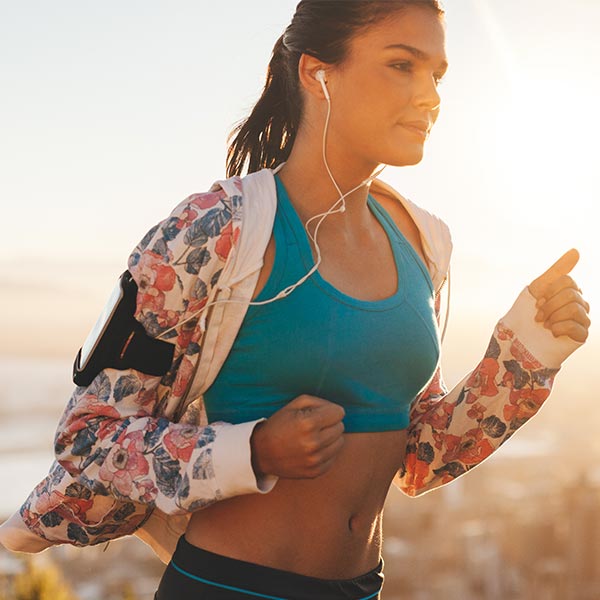
3. Gentle Movement
Walking for 20 minutes daily:
-
Boosts serotonin (happiness hormone)
-
Reduces stress hormones
-
Increases energy
-
Supports mental clarity
Start slowly and listen to your body.
4. Reduce Caffeine and Sugar
Both increase mood swings and anxiety.
Replace with:
-
Herbal teas
-
Warm lemon water
-
Coconut water
5. Lean on Your Support System
You do not have to do this alone.
Ask for help with:
-
Baby care
-
Housework
-
Food preparation
-
Errands
Connection is one of the strongest protectors against PPD.
6. Therapy or Counseling
Talking to a trained professional helps mothers:
-
Process birth experiences
-
Understand triggers
-
Build coping strategies
-
Heal emotionally
Therapy is strength — not weakness.
7. Gentle Postpartum Supplements (With Medical Guidance Only)
Common recommendations include:
-
Omega-3 (EPA/DHA)
-
Vitamin D3
-
Magnesium glycinate
-
Postpartum multivitamins
Always seek medical advice before starting any supplement.
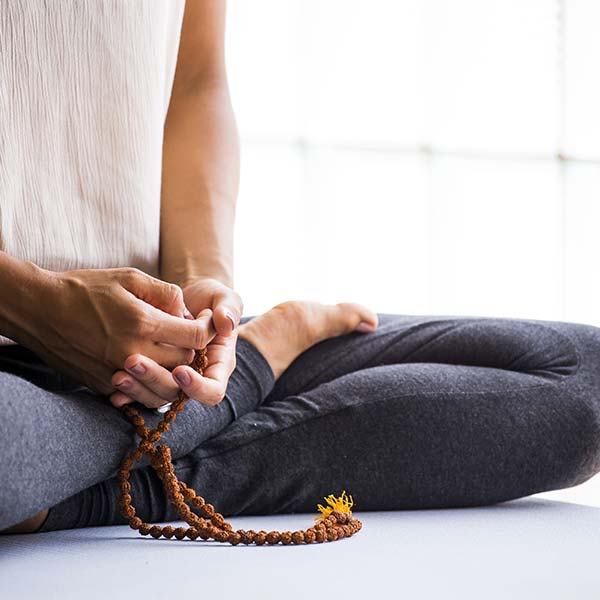
8. Practice Grounding & Relaxation Techniques
These help calm the nervous system:
-
Deep breathing
-
4-7-8 breathing
-
Guided meditation
-
Light stretching
-
Prayer or quiet reflection
Even 5 minutes a day helps.
💛 When to Seek Immediate Help
Get urgent help if you experience:
-
Thoughts of harming yourself
-
Thoughts of harming your baby
-
Feeling detached from reality
-
Severe panic or confusion
-
Inability to care for your baby
You deserve immediate, compassionate support.
✨ Final Thoughts
Postpartum depression is treatable, common, and nothing to be ashamed of.
With the right combination of nutritional support, rest, emotional connection, and professional guidance, healing is absolutely possible.
You are not alone.
You are not failing.
You are stronger than you think, and you will rise again.